In today’s restaurant world, a surprising paradox is taking shape. Many operators are pouring time, energy, and money into their brand image — yet far fewer put the same discipline into financial management. They master digital marketing, social media, storytelling, and community building, but struggle to apply the same level of precision to cost control and operational data.
This creates an imbalance that looks harmless at first… until the numbers start to slip.
The Illusion of Popularity
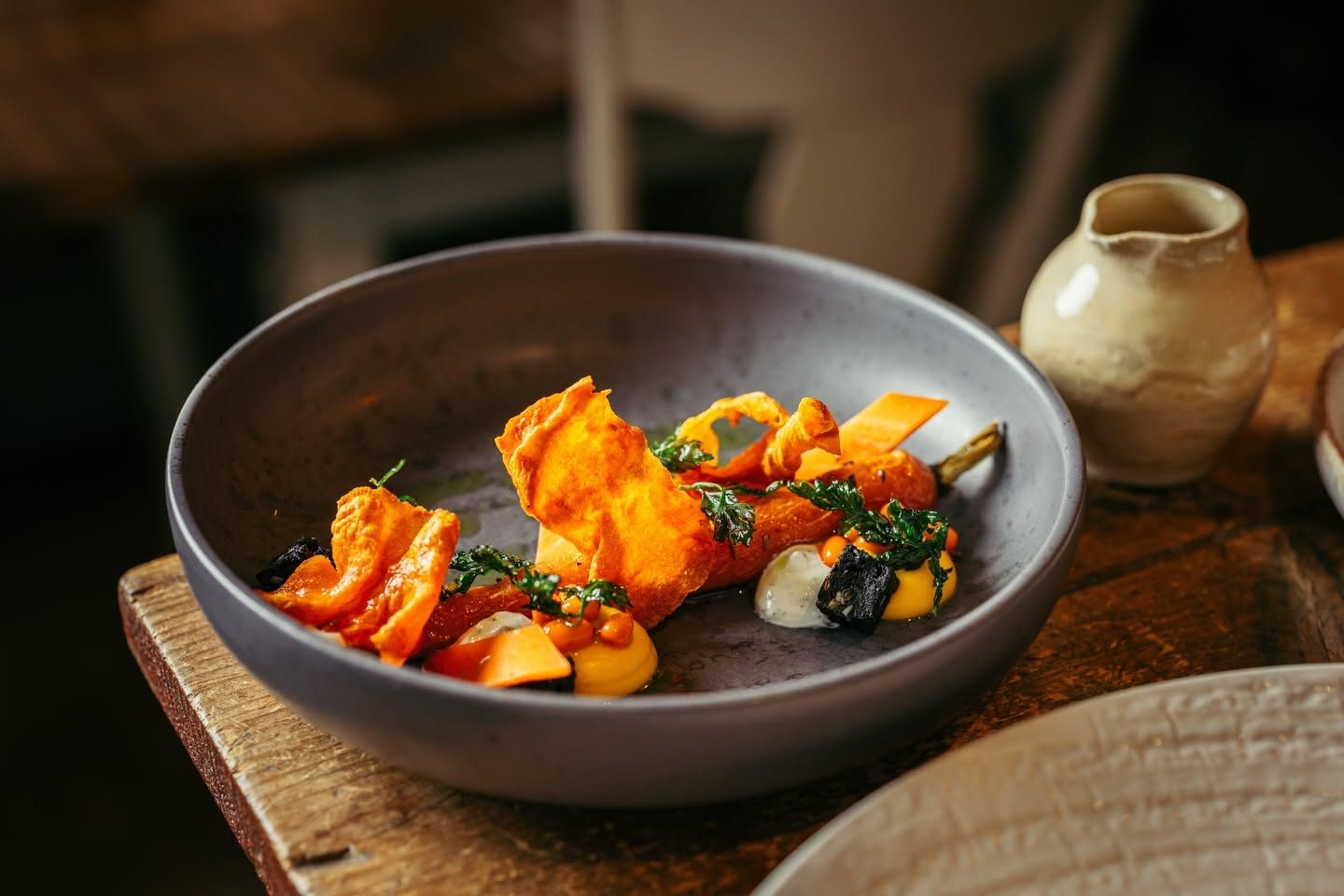
A strong online presence works. Attractive food photos, consistent Instagram reels, creative contests, sharp review management — all of these fill seats and boost visibility. The dining room gets busy. Guests talk. Momentum builds. From the outside, it looks like a thriving business.
But popularity does not guarantee profitability. Without accurate food cost calculations, updated recipe costs, and tight control over expenses, even a full restaurant can operate with razor-thin margins. It’s one of the most common pitfalls in the industry: confusing activity with profit.
And when that happens, operators push harder, work longer hours, and drain their energy — while the bottom line barely moves.
When Profitability Falls Out of Focus
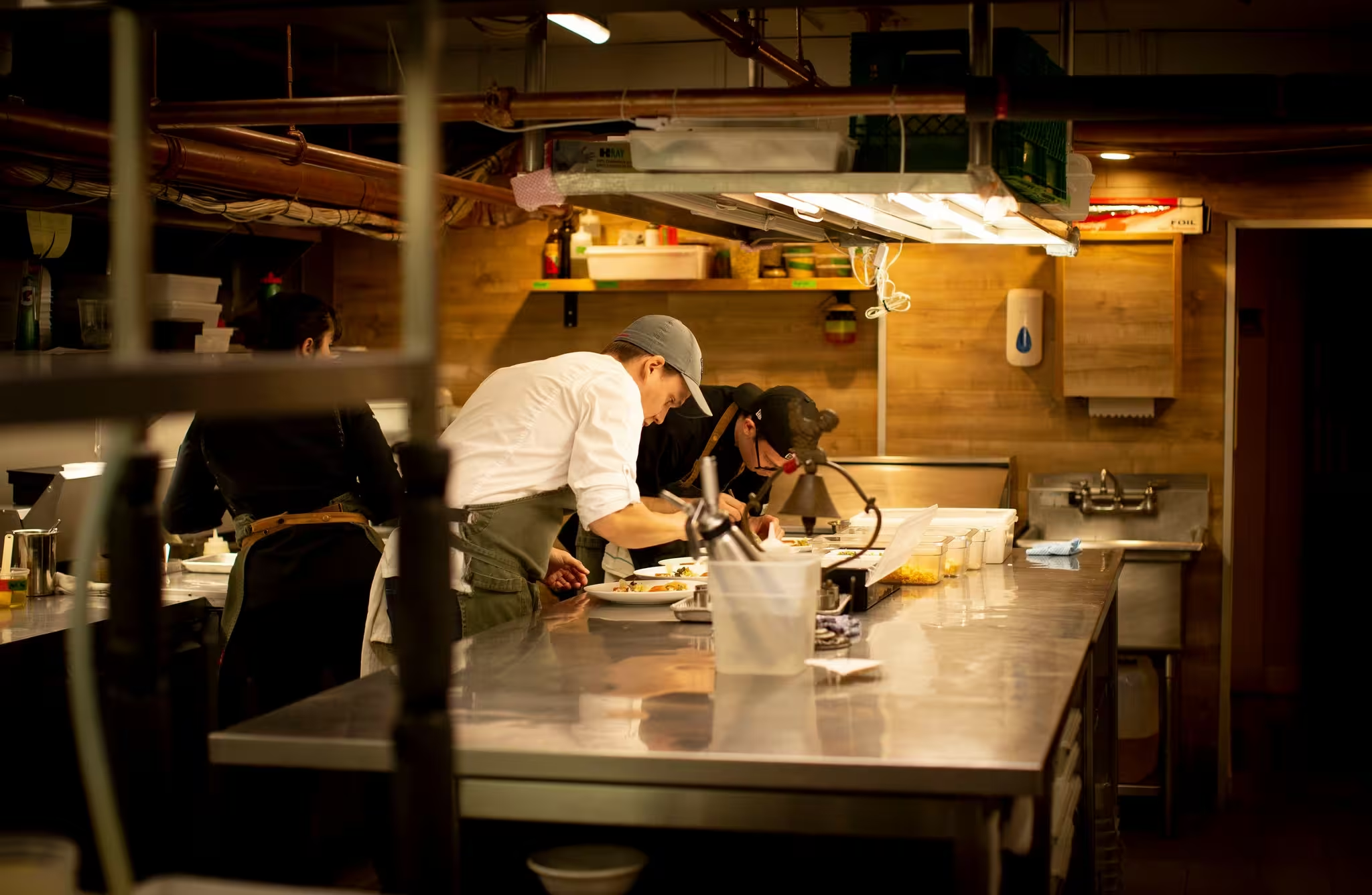
Behind the scenes, data management is often treated as an afterthought. Yet this is where a restaurant’s survival is decided.
Menu engineering highlights which dishes are truly profitable. Real-time tracking of prime costs (food + labor) prevents unwanted surprises. A clear view of COGS, waste, portioning, supplier costs, and payroll makes all the difference between guessing and steering the business with confidence.
Without this clarity, decisions become reactive. Popular dishes turn out to be unprofitable. Hidden expenses silently erode margins. The restaurant becomes busy — but not healthy.
And this struggle is widespread. According to a recent Restaurants Canada survey, about one-third of Canadian operators (around 34%) say inflation and rising product costs are putting severe pressure on profitability. A major reason: a lack of accurate, real-time visibility into their true costs.
Putting Technology at the Service of Profitability
The era of running a restaurant with a notepad, intuition, and a calculator is over. The industry has become too competitive — and too complex — to rely on guesswork.
Today, modern tools can turn financial management into a strategic advantage. Imagine a platform that calculates food cost automatically, updates recipe margins instantly when supplier prices change, analyzes menu performance in real time, and alerts you when expenses start drifting.
These tools are no longer nice-to-have. They are essential for any operator who wants control, stability, and profitability.
They save time. They prevent errors. They protect margins. And above all, they help restaurateurs make informed decisions — not decisions made in the dark.
Because the real challenge is not choosing between marketing and financial management. It’s building a business where both work together: marketing fills the seats, and the numbers ensure you stay profitable in the long run.
Modern restaurant success is not built on intuition alone. It’s built on data, discipline, and the right technology to guide every decision.